Introduction
Ever heard about something called the “Safe and Sound Protocol”? Maybe you clicked a headline, or a friend mentioned it in passing. It’s one of those therapies that’s kind of quietly getting around the edges of mainstream mental‑health chatter. And I gotta admit, when I first heard the name, I pictured some kind of self‑help mantra or maybe a meditation app. But what I discovered was more like a blend of science, sound, and personal stories.
This article dives into the Safe and Sound Protocol (SSP), what it does, who it might help, what to expect, and why some people swear by it while others raise eyebrows. I’m writing this more like a storyteller than a textbook, with occasional messiness, because real life is messy and healing often is too.
So pour a cup of tea (or coffee), settle down, and let’s walk through the world of sound, nerves, and maybe a little bit of calm.
What is the Safe and Sound Protocol?
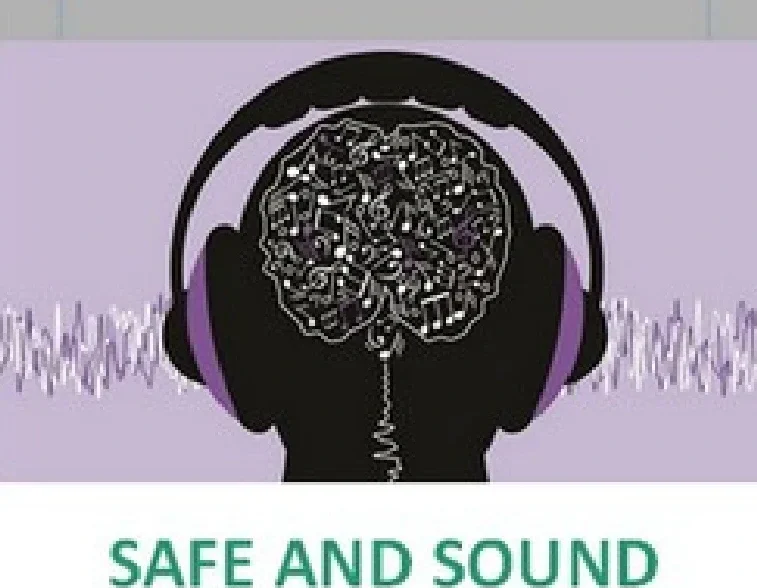
The Safe and Sound Protocol, often just called SSP, is a listening therapy developed to help regulate the nervous system through specially filtered music and sound. The basic idea: sound — when processed properly — can influence the way your nervous system responds to stress, trauma, and everyday overwhelm.
It was developed by therapists and researchers who drew on the principles of something called the Polyvagal Theory. That theory suggests our nervous system, especially the part governed by the Vagus nerve, plays a big role in how safe — or not — we feel in the world. SSP tries to tap into that, using audio designed to enhance safety.
In simple wordsSSP gives your body and brain a chance to “rewire” in response to sound. And when that happens, people might feel calmer, more grounded, more able to connect socially, or just sleep better.
How It Works (Kind of Like a Reset Button)
Imagine your nervous system like a radio receiver — sometimes the signal gets noisy, stations overlap, and you get static. SSP plays a series of specially filtered music tracks (often instrumental, sometimes ambient, light melodic) that gradually widen the “listening window” of your nervous system.
Here’s roughly how it goes:
-
Starts safe and soft — The first tracks tend to be very gentle. Low volume, narrow frequency range. Kind of like whispering to your nervous system.
-
Gradual expansion — Over time, the sound frequencies broaden, and more complexity enters the music. But still controlled. The idea: your nervous system begins to tolerate more “input” without feeling threatened.
-
Integration phase — Some sessions are followed by integration, meaning you do other soothing tasks (walk, draw, lie still) to let the nervous system settle in.
People often describe the effect as a kind of “reset.” A few sessions in — maybe 5–10 of them — and the world, feelings, and social interactions can feel a little easier to navigate.
Who Might Benefit from SSP?
SSP isn’t a magic wand — but for certain folks, it seems to help a lot. People who often turn to SSP include:
-
Individuals with trauma or post‑traumatic stress — long after the “event,” but the body still senses danger.
-
People with anxiety, chronic stress, and hyper‑arousal (heart racing, always on edge).
-
Those battling sensory sensitivity — in autism, ADHD, or sensory processing disorders.
-
Folks with sleep problems, difficulty focusing, or issues regulating emotions.
I’ve also read about it helping in milder cases — just people who always feel “wired.” You know, like after years of digital overload, deadlines, social stress, life’s noise. For them, SSP might offer a gentle reboot.
What to Expect During a Session
If you sign up (or try it at home, though many therapists advise guided sessions):
-
You listen — You wear good quality headphones, lie do or sit quietly.
-
It could feel nothing at first — Maybe you drift off, maybe you feel subtle shifts. For it feels calming, for others a bit strange (like “Is this doing anything?”).
-
Physical reactions — Some people yawn a lot, or sigh, or feel warmth. Others feel a bit emotional. It’s not uncommon to feel a sudden wave of tiredness or teariness. That’s sometimes the nervous system releasing tension.
-
Integration matters — After the listening, many practitioners suggest a light, grounding activity: a walk, journaling, drawing, or a stretch. Let the body catch up.
Sessions typically last 30–60 minutes. Many protocols recommend doing several (maybe daily or a few times a week) and then taking breaks.
Real Stories anecdotes & Observations
I talked to a friend of a friend (I’ll call her “M”) who tried SSP after years of panic attacks. She described the early sessions as “weird but soft” — almost like being wrapped in a blanket of sound. After about seven sessions, she told me she started noticing little changes: deeper sleep, fewer random jitters, a sense of calm when before she always felt on edge.
Another story: “J,” a teacher overwhelmed by sensory overload from busy classrooms, said SSP made socializing easier. He still had moments of stress, but said he felt like he had a buffer now. “Noise doesn’t punch me,” he said.
Of course, there are mixed results. Some people felt nothing. Others felt intense emotions. A few felt worse before feeling better. Healing seldom travels a straight line.
Potential Criticisms and Limitations
SSP is promising — but it’s not flawless.
-
Not enough large‑scale studies. Much support comes from small studies, case reports, or anecdotal evidence. So while there’s buzz, science hasn’t fully crowned it.
-
Placebo effect possibility. Some argue the calming comes just from slowing down and resting (which itself is often rare). Hard to isolate the “sound magic.”
-
Not a quick fix. For deep trauma or severe mental illness, SSP may help only as a small part of a bigger healing plan (therapy, medicine, lifestyle change).
-
Expense/access. Good headphones, trained practitioner (in many cases) — can cost. Not always easy to find in some areas.
-
Mixed reactions. Some users report emotional flooding, exhaustion, or even temporary worsening of symptoms.
FAQ
Q: Is SSP safe?
Yes, for most people. It’s non‑invasive and gentle. But if you have serious mental‑health conditions, it’s wise to consult a professional. Emotional surges or sensitivity to sound can trigger discomfort.
Q: How many sessions are needed?
It depends. Some feel a difference after 5–10 sessions, others after 20 or more. Some see little effect. Consistency helps, but overdoing it doesn’t guarantee better results.
Q: Can I do SSP at home?
Yes — there are audio versions available. But quality headphones matter. Also, many therapists emphasize guided sessions for safe integration.
Q: Does it replace talk therapy or medicine?
Not really. SSP might complement therapy or meds, especially for nervous‑system regulation. But for major trauma or psychiatric conditions, it shouldn’t be the only tool.
Q: What if I feel worse afterward?
It can happen. Emotional stuff might surface. That doesn’t mean failure. It might just be your system processing. But if it’s too hard, step back, talk to a therapist, go slow.
Why Some Experts Are Excited
There’s a growing interest in therapies that don’t rely solely on talk or pills. Therapies that work with the body, the nervous system, and the actual wiring of how we perceive safety. SSP fits that mold.
For people traumatized by loud noise, chaotic environments, and overstimulation — SSP proposes a subtle reset. Sound becomes a tool to retrain the body’s reactions. That could reshape how we treat anxiety, sensory disorders, trauma — in a way more rooted in physiology than in cognitive theory.
Also, I feel it is accessible. You don’t need to ‘dig into memories’ if they’re painful. You don’t need to fight through heavy confrontation. Sometimes it’s about tuning in — inch by inch — letting your boletrto n to calm again.
A Few Cautions and What I Think
I’m kinda optimistic about SSP. I like that it acknowledges how much our bodies and nervous systems matter. We aren’t just minds, we’re flesh-and-blood, wired to sense danger and safety. If sound can gently flip the switch toward safety, that’s worth exploring.
But I don’t believe in silver bullets. If someone promised “SSP will heal your anxiety completely,” I’d be skeptical. Healing is messy, personal, and often uncomfortable. SSP might be a helpful tool — but you still need time, maybe therapy, support, and self‑care habits.
Al, I think we need more research. More people, more long‑term follow‑up. Until then, en tat SSP as a promise, not proven.
Conclusion
The Safe and Sound Protocol feels like a whisper to a chaotic nervous system. It doesn’t shout. It doesn’t demand. It simply says: “Let’s listen. Maybe you can breathe.” For some people, that’s all they need to begin unraveling tension, fear, a overwhelm.
But it’s not magic. It’s not a cure‑all. It’s more like a tool — a mellow, sound‑based lever that might nudge your nervous system toward calm. And for some, that nudge could make all the difference.
If you ever feel worn out by noise, stress, or just life’s endless buzz — maybe give SSP a chance. Maybe it’s the gentle reset your body’s been waiting for.
About the Author