If you’ve ever felt like your brain is a tangled ball of yarn, with thoughts everywhere, no thread to pull, a sound bath might be just what you need. A sound bath is more than relaxing noises. It’s a sonic journey that helps you unwind, recharge, and maybe even heal a little. Here’s a laid‑back, human‑feeling guide to sound baths: what they are, why people love them, how to try them (with or without fancy bowls), and whether they might work for you.
What Is a Sound Bath, and What’s It Called a Bath
When you hear “sound b,ath,” you might picture bubbles and candles, but no. In this case, the “bath” is metaphorical. Imagine lying down, closing your eyes, and letting gentle waves of sound wash over you. You bathe in sound vibrations instead of water.
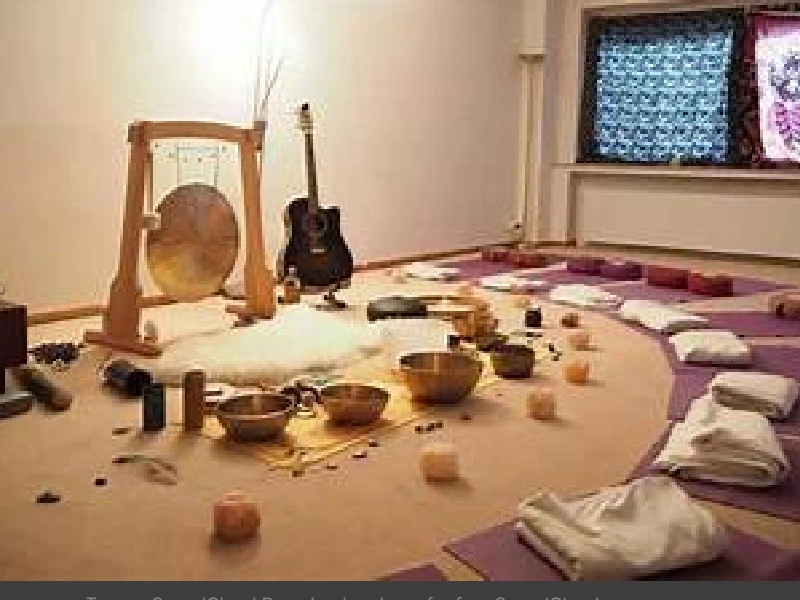
In a typical sound bath session, you might hear:
-
Soft tones from crystal or Tibetan singing bowls
-
Mellow gongschimess or tuning forks
-
Ambient nature sounds or soft vocal humming
These aren’t background noises meant to distract. They’re carefully chosen frequencies meant to envelop your body and mind. The idea is that sound — vibration, tone, overtones touches something deep inside. It nudges your nervous system to relax. It helps your brain slow down.
So yeah, you don’t soak in water. You soak in sound.
Origins and Roots: Ancient Traditions Meet Modern Wellness
Sound baths don’t come from a trendy wellness startup. Their roots span continents and centuries.
-
Many ancient cultures used sound in rituals, healing, meditation, hink drumming circles, chanting monks, ringing bells, and indigenous wind-instruments. Sound was energy. Sound was medicine.
-
Over time, these traditions faded but stayed alive in pockets around the world.
-
In the recent decade, wellness seekers rediscovered them. Crystal bowls, gongs, and singing bowls became popular in holistic circles.
-
Today’s sound bath blends ancient wisdom with modern comfort: dim lights, mats or cushions, soft guidance. It’s a curated experience designed for modern stress, digital overload, and constant noise.
So when you join a sound bath session, you connect, unknowingly maybe, with thousands of years of human experience.
What Happens in a Sound Bath Session
Curious about how a session actually goes down? Here’s a typical layout, though every facilitator has their own style.
-
Arrival and Setup
You enter a quiet room or studio. Sometimes there are blankets, eye-pillows, maybe a candle or incense stick burning softly. You choose a yoga mat or bolster, lie down, and get cozy. -
Brief Intro and Grounding
The facilitator might ask you to settle in. Maybe prompt a few deep inhales and exhales. Maybe a few tips: “If your mind wanders, fine, just bring it back to your breathing.” -
Sound Begins
The first tones come in softly. Maybe a low hum, or a gentle chime. Then more layers join: bowls, gongs, and crystal. The sound rises, falls, pulses, drifts. -
Immersion Phase
For 30–60 minutes, you just “are”. No thinking required. Just feel. Sometimes the sound intensifies. Sometimes softness. Sometimes silence for a few breaths. -
Closing
The sound fades. Soft bell or chime signals the end. You rest. Maybe stretch. Maybe inhale deeply. Maybe open eyes slowly. -
After-session Reflection
Many people prefer to stay quiet. Some journal. Some sip water. Some just stare at the ceiling and wonder what just happened inside.
That’s it. Pretty simple. But often surprisingly intense.
My First Sound Bath: A Totally Unexpected Calm
I tried a sound bath one Friday evening after a week where my brain felt like a scrambled TV channel. Work emails, personal to-dos, unanswered messages, my mind felt like it was wrestling itself.
I rolled out a mat in a dim room. I lay back. At first, I could still hear my thoughts bouncing around. Then I heard a soft gong, a distant chime, en a humming seemed to swirl around me.</
Then something changed. My jaw unclenched. My shoulders dropped. I had this, I don’t even know, a light buzz behind my eyes. Maybe 20 minutes in, I realized I wasn’t thinking about groceries or deadlines or bills. I was just breathing in and out.
When the sound faded, and I opened my eyes, the room looked different. Softer. Calmer. Even the air felt lighter. I walked home slower than usual. The rain outside sounded gentler. I felt softer.
I wasn’t healed or fixed. But something inside had cleared space for quiet.
Why Many People Feel Sound Baths Work
Honestly, there’s probably no single reason sound baths deliver. It’s a mix: physiology, psychology, maybe magic.
-
Nervous-system reset: Sound vibrations can push your nervous system out of “fight or flight” mode into “rest and digest”. Hearts beat more slowly. Muscles loosen. Breath deepens.
-
Easy mindfulness: Meditation feels hard sometimes. Sound bath grabs your attention so softly you don’t have to chase it. The sound does that for you.
-
Body resonance: Humans are water-rich bags. Vibrations travel through water (and thus the body) easily. Some folks feel physical shifts — tension melting, tingling, warmth, heaviness, or lightness.
-
Emotional release: Sound can stir memories, feelings, and dreams. Sometimes that means tears. Other times clarity. Sometimes nothing. That’s fine too.
-
Shared calm: Doing it with others adds energy. Even if you don’t talk, you feel part of something, a collective sigh after a long week.
People say it helps with stress, sleep, anxiety, creative blocks, or just a general “I’m worn out” feeling. What Science Says and What It Doesn’t
Look. I’m no PhD. But I’ve poked around some studies. Here’s what I fou with a grain of salt.
-
There’s decent evidence that music and sound therapy can reduce anxiety, lower blood pressure, and ease pain, especially when paired with breathing exercises or relaxation.
-
Some small studies suggest that low-frequency tones and prolonged sound exposure can shift brainwaves into alpha or theta modes associated with relaxation, light meditation, or even light trance.
-
That said, it’s really hard to study “sound baths” per se. Because every session differs (instruments, volume, room, people). So data stays fuzzy.
Bottom line: if you want scientific “proof” of healing, you won’t always get it. But if you want a break, a reset, a moment of calm, occasional studies, and lots of personal stories, say it works.
What to Watch Out For
Before you jump on this sound-wagon, a few cautions.
-
Volume & sensitivity: Gongs and bowls can get loud. If you have hearing issues, tinnitus, or are super sound-sensitive, maybe be careful. Ask for soft mode.
-
Emotional stir: When emotions bubble up, it can feel intense. Good intensity. But intense. If you’re in a fragile mental state, maybe ease in slowly.
-
Not a magic cure: Sound baths don’t fix clinical conditions by themselves. They don’t replace therapy or medicine if you need that.
-
Disappointment possible: Sometimes you go in expecting an epiphany. Sometimes you feel nothing. That’s okay. Doesn’t mean it didn’t work; maybe your nervous system just needed a nap.
How to Pick or Create a Great Sound Bath Experience
If you’re thinking, Sure, I’ll try it,” these tips might help.
| What to Check | Why It Matters |
|---|---|
| Skilled facilitator | They play deliberately, not like random banging. Helps avoid jarring experiences. |
| Good instruments | Cheap tinny bowls or cracked gongs = poor vibration. Quality matters. |
| Comfortable space | Soft mats, blankets, eye-pillows, and low light help you actually relax. |
| Moderate group size | Too many people = noise, less intimacy. Small to medium feels more personal. |
| Open mindset | Don’t expect miracles. Go in curious. Let yourself be surprised. |
How to Try a Sound Bath at Home
Don’t have a studio nearby? No worries. You can try a mini sound bath at home.
-
Pick a quiet time and place — maybe at night before sleep, or a weekend morning.
-
Use speakers or headphones and find ambient tracks, bowls/gongs recordings, nature sound compilations, and soft meditative music.
-
Lie down or sit comfortably. Use blankets or a pillow. Use the dim lights or use a candle.
-
Close eyes, breaslowlysldeeplydeep. Let sound wash over you. If thoughts come — let them pass like clouds.
-
Stay for 20–30 minutes (or more if you want). Gently stretch, drink watand er, don’ta rush.
It’s simple, cheap, and a great way to reset your mind.
Who Usually Loves Sound Baths
Might love it if you are:
-
Overworked, anxious, restless mind
-
Creative soul writer, artist, thinker, looking for a reset
-
Someone seeking calm but hates silent meditation
-
Curious about subtle healing, inner peace, gentle self-care
Might dislike it if you are:
-
Someone who likes constant stimulation or background hustle
-
Super sensitive to sound or vibrations
-
Looking for concrete solutions quickly
-
Skeptical and uncomfortable with ambiguous experiences
FAQs
Q: Can a sound bath cure illnesses?
A: No. It’s more about relaxation, stress relief. Use it as a supplement — not a substitute for medical or psychological treatment.
Q: How often should I do it?
A: No hard rule. Some people do monthly, some weekly, some whenever they feel overwhelmed.
Q: Is falling asleep during a session bad?
A: Not at all. Some say it’s even better. You still get relaxation might wake up refreshed.
Q: Do I need special tools at home?
A: Not necessarily. Good headphones + ambient recordings can do the trick. Real bowls add depth but aren’t mandatory.
Q: Do newbies feel anything?
A: Sometimes yes. Sometimes nothing. It depends on mindset, mobondoand dy, and expectations. And that’s fine.
Final Thoughts
Life gets loud. Minds get cluttered. Bodies tense up.
A sound bath doesn’t promise miracles. It doesn’t guarantee spiritual awakening. It’s not a cure-all. But it offers something simpler: a moment of pause, a breath, a chance to unplug from noise and reconnect with self.
Lie down. Close your eyes. Let sound wash over you. See if your tense shoulders uncurl. See if your thoughts quiet down. Maybe you walk out lighter, calmer, a little more you.
Sometimes all you need isn’t action. It’s silence wrapped in sound.
About the Author