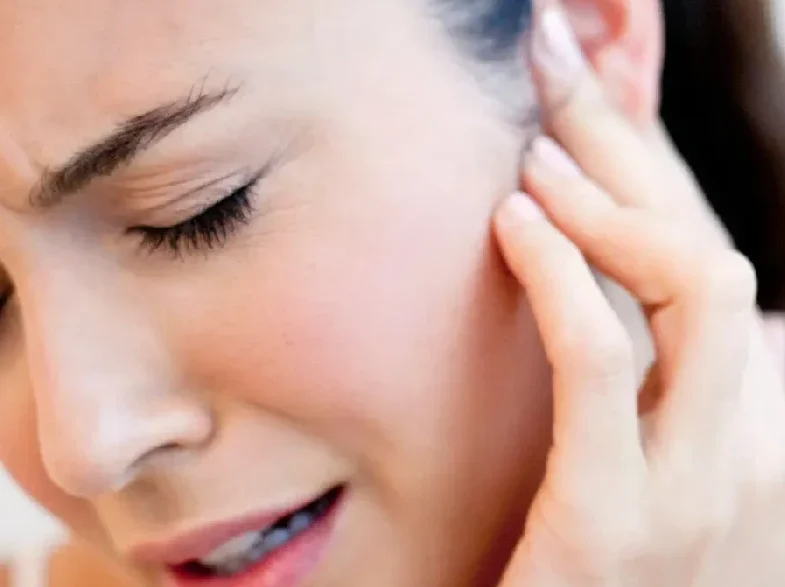
When the world suddenly sounds dull or quiet on one side, it can feel confusing and scary. You try to listen, but everything feels blocked. Voices sound far away. Your ear feels heavy or full. This is what many people describe as muffled hearing in one ear.
It can happen slowly or very suddenly. Sometimes it shows up after a cold, during allergy season, after swimming, or even after you wake up in the morning. In many cases, it is harmless and goes away on its own. However, er some causes require fast medical care.
This guide explains everything you need to know. You will learn the common reasons, the warning signs, the best home remedies, when to see a doctor, how to prevent it, and the answers to the most common questions people ask online.
Let us begin.
What Is Muffled Hearing in One Ear
Muffled hearing means sound does not reach your inner ear clearly. You may hear some sound, but it feels blocked or filtered. Many people describe it as hearing through cotton or hearing underwater.
When it happens on only one side, it usually points to something affecting that specific ear. Most causes are related to pressure changes, blockages, fluid buildup, or inflammation.
Muffled hearing is not the same as hearing loss. Many times it is temporary and treatable. However, it should never be ignored because it can sometimes point to a serious problem.
Common Causes of Muffled Hearing in One Ear
Here are the most frequent reasons people experience this condition.
Earwax Blockage
Earwax helps protect the ear, but too much of it can block the ear canal. When wax builds u, you may feel pressure, pain, or hear a muffled sound in one ear.
People who use cotton swabs often push the wax deeper, which makes the blockage worse.
Fluid Behind the Eardrum
A cold, allergy, or sinus infection can lead to fluid trapped behind the eardrum. This creates a feeling of fullness and reduces your ability to hear clearly.
Children get this often, but adults can get it too.
Middle Ear Infection
An infection inside the ear can cause swelling, fluid buildup, pain, and muffled hearing. These infections often come with fever, headache, or discharge.
Eustachian Tube Blockage
The eustachian tube is a small passage that helps balance pressure in the ear. If it becomes blocked by inflammation, allergies, or infection, the ear feels stuffed.
You may hear popping when you swallow or yawn.
Sudden Sensorineural Hearing Loss
This is a serious cause. It happens when the nerves inside the ear suddenly stop working properly. People often wake up with a muffled sound in one ear.
It requires fast medical treatment to avoid permanent loss.
Water Trapped in the Ear
Swimming, showering, or bathing can trap water inside the ear canal. When water remains stuck, the world sounds quiet on one side.
This is known as swimmers’ ear when it leads to infection.
Ear Injury
A blow to the head, a very loud sound, or inserting objects into the ear can cause damage. This may lead to sudden muffled hearing.
Air Pressure Changes
Flying on an airplane, driving through mountains, or even diving underwater can cause a pressure imbalance in the ear. This makes sound dull and uncomfortable.
Usually, swallowing or chewing relieves it.
Temporomandibular Joint Problems
Jaw joint problems can affect hearing because the joint sits close to the ear. When the joint becomes inflamed, you may feel pressure or muffled hearing on one side.
Inner Ear Disorders
Conditions like Meniere’s disease can cause ringing, dizziness, and muffled hearing that comes and goes.
Symptoms That Often Come With Muffled Hearing
Muffled hearing in one ear rarely comes alone. You may feel other symptoms such as
-
Pressure or fullness in the ear
-
Ringing sou, also known as tinnitus
-
Dizziness or balance problems
-
Pain or soreness
-
Crackling or popping sensations
-
Headache
-
Fluid discharge
-
Itching inside the ear
If symptoms include sudden hearing changes, dizziness, or sharp pain, it is important to get medical help quickly.
When Muffled Hearing Becomes a Medical Emergency
You should seek urgent help if
-
Hearing suddenly drops in one ear
-
You feel severe dizziness or spinning
-
You have intense pain
-
There is bleeding from the ear
-
There is sudden weakness in the face
-
You cannot hear anything in the affected ear
Sudden hearing loss must be treated within hours for the best recovery.
How Doctors Diagnose Muffled Hearing in One Ear
A doctor or ear specialist may use the following tests.
Physical Ear Exam
The doctor looks inside your ear canal to check for wax, infection, or swelling.
Hearing Test
You may be asked to wear headphones and respond to sounds to measure hearing levels.
Tympanometry
This checks how your eardrum moves. It can detect fluid or pressure problems.
Imaging
If the cause is unclear, scans may be used to rule out deeper problems.
Best Treatments for Muffled Hearing in One Ear
Treatment depends on the cause. Here are the most common and effective methods.
Earwax Removal
A doctor may use drops, suction, or irrigation to remove wax safely. Never use sharp objects or cotton swabs at home.
Decongestants
These help reduce swelling in the eustachian tube and relieve pressure caused by colds or allergies.
Antibiotics
If the ear is infected, medication helps clear the infection and restore hearing.
Steroids
Sudden sensorineural hearing loss is often treated with steroids to reduce inflammation.
Warm Compress
A warm compress on the affected side can reduce discomfort and improve circulation.
Manual Pressure Equalization
Swallowing, chewing gum, yawning, or performing a gentle pressure equalizing method can help.
Ear Drying Methods
If water is trapped, you can use gentle heat or gravity to help it evaporate.
Treating Allergies
If allergies cause the blockage, antihistamines or nasal sprays may help.
Surgery
In rare cases, small tubes may be placed in the eardrum to drain fluid or relieve pressure.
Home Remedies That May Provide Relief
These simple methods often help reduce symptoms when the cause is mild.
Steam Inhalation
Breathing warm steam can open your nasal passages and improve fluid drainage.
Warm Towel Therapy
Pressing a warm towel over the ear helps relax muscles and ease pressure.
Hydration
Drinking enough water reduces thick mucus and helps the ears drain naturally.
Avoid Loud Noises
Loud sounds may worsen the feeling of fullness or lead to further damage.
Chewing or Swallowing
These natural movements help your ear adjust to pressure changes.
Home remedies should never replace medical advice for severe or lasting symptoms.
How to Prevent Muffled Hearing in One Ear
Here are practical ways to lower your risk.
-
Keep your ears clean and avoid inserting objects
-
Manage seasonal allergies
-
Use ear protection around loud noises
-
Avoid smoking because it increases ear infections
-
Stay hydrated
-
Avoid sudden pressure changes when possible
-
Wear a swim cap or earplugs while swimming
-
Treat sinus issues early
Prevention is always easier than treatment.
Living With Repeated Muffled Hearing
Some people experience this condition often because of allergies, jaw problems, or chronic sinus issues. If this happens to you, consider the following steps.
-
Keep regular checkups with an ear specialist
-
Track triggers such as weather changes or foods
-
Use humidifiers during dry seasons
-
Follow a routine allergy plan
-
Maintain good dental and jaw care
long-term strategy usually helps reduce flare-ups.
Frequently Asked Questions
Here are the most common questions people ask about muffled hearing in one ear.
Why does my ear feel clogged on one side?
It usually happens when something blocks sound, like wax, fluid, infection, or pressure changes.
How long does muffled hearing last
It may last a few hours to a few days. If it continues for more than a we, you should see a doctor.
Can stress cause muffled hearing
Yes. Stress can tighten neck muscles and affect ear pressure, which may lead to temporary muffled hearing.
Can allergies cause one-sided muffled hearing?
Yes. Allergies cause swelling and fluid buildup, which affects the eustachian tube and reduces sound clarity.
Should I clean my ears at hom?e
You can clean the outer ear, ar avoid inserting anything inside. It usually pushes wax deeper.
Why do I hear crackling in my ear
Crackling happens when pressure equalizes inside the ear or when fluid moves behind the eardrum.
Is muffled hearing serious
Most cases are mild, but sudden hearing loss or intense pain can be serious. Seek medical help if symptoms appear suddenly or worsen fast.
Does muffled hearing go away on its own
Yes, in many cases, it goes away naturally. If it does not improve after a few days or keeps coming back, you should get it checked.
Final Thoughts
Muffled hearing in one ear can be frustrating and uncomfortable, but it is usually treatable. The key is to understand the cause. Sometimes it is a simple blockage. Other times, it is related to pressure changes, fluid buildup, or infection. A few causes are urgent and need fast medical care.
If your symptoms come suddenly, last longer than a week, or include severe pain or dizziness, seek professional help. Early care often leads to full recovery.
With the right knowledge and timely action, you can protect your hearing and keep your ears healthy for years to come.
About the Author