Introduction
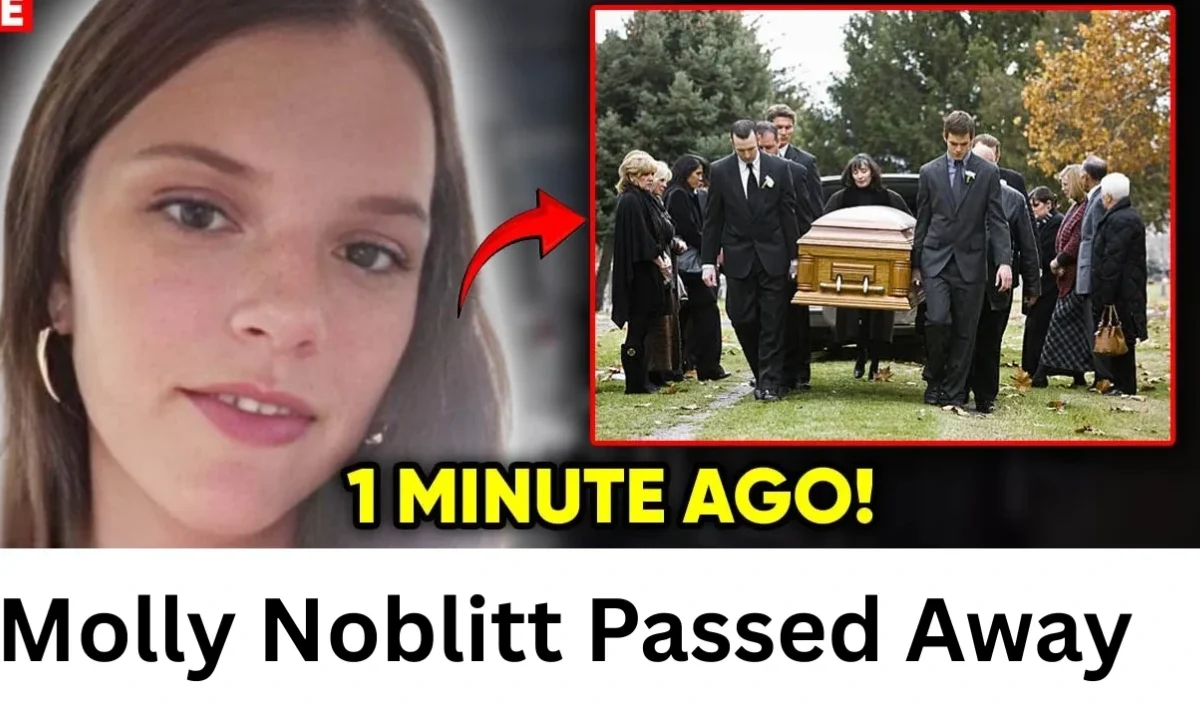
Honestly, there’s something strange about how fast a name can spread online and how wild the stories can get. That’s exactly what happened with Molly Noblitt’s death rumors. One minute, she’s just a teenager on TikTok, the next, people are whispering about whether she’s dead, whether she’s been stabbed, or worse. But when you peel back the layers, there’s little to no real evidence behind any of those claims.
This isn’t just another social media misunderstanding. It’s one of those modern tragedies — where a person’s name becomes a headline overnight, wrapped in confusion, grief, and outrage. Beneath the hashtags and viral videos lies a human story about loss, bullying, and how far people will go to find someone to blame.
Who Is Molly Noblitt — And Where Did All This Begin?
First off, who is Molly Noblitt? She’s not a celebrity in the traditional sense. She’s a teenager from the U.S. who became known online through TikTok — dancing videos, trends, and everyday teen life. Nothing unusual there.
But her name started spreading after a heartbreaking event — the death of 13-year-old Aubreigh Wyatt in September 2023. Aubreigh’s passing was ruled a suicide, and soon after, her mother went public, saying her daughter had been the victim of severe bullying.
People online began piecing together names of those allegedly involved — and Molly’s name came up. From that moment, things spiraled. Some users claimed she was to blame, others said she was being harassed, and before long, people were posting that she had been stabbed or even died.
And here’s the thing — none of those rumors had real proof.
Why the “Molly Noblitt Death” Story Matters
It’s easy to say, “Oh, it’s just a rumor,” but stories like this have real consequences. Here’s why it matters:
- It affects real people – Behind every viral name, there’s a family, a kid, a life.
- Misinformation spreads faster than facts – Once something like this catches fire online, truth can barely keep up.
- It’s tied to deeper issues – Bullying, teen mental health, and how grief plays out publicly on platforms like TikTok.
- It shows how easily the internet turns cruel – People crave justice, and when they don’t have all the facts, they create villains to fill the gaps.
So yeah, the “Molly Noblitt death” story isn’t just gossip. It’s a reflection of our digital age — one where speculation often drowns out empathy.
What We Actually Know (And What We Don’t)
Let’s lay this out clearly.
- No verified report of her death – There’s no obituary, no news coverage, no local confirmation.
- She’s been active online – Some users noticed her posting on TikTok after the rumors started.
- No arrests or convictions – Despite claims that she was jailed or charged, there’s no public record supporting that.
- No stabbing incident – The “stabbed” story seems to come entirely from unverified TikToks.
- No family confirmation – Neither Molly’s family nor local authorities have said anything confirming her death.
In other words, as of now, there’s no credible evidence that Molly Noblitt is dead. The entire narrative seems to be built on assumptions and viral speculation.
How the Rumor Spread So Fast
This part fascinates me — and terrifies me a little, too. The rumor about Molly Noblitt’s death didn’t start from a news report. It began with grief, emotion, and the speed of the internet.
Here’s how it unfolded:
- A tragedy happened – Aubreigh Wyatt’s death hit people hard. Her story of bullying felt deeply personal to thousands of parents and teens online.
- Blame followed – Some TikTok users started naming the alleged bullies, including Molly.
- Videos went viral – Emotional reaction videos, crying teens, dramatic “justice for Aubreigh” posts flooded feeds.
- Fake screenshots appeared – Supposed “RIP Molly” posts started popping up, often edited or taken out of context.
- Echo chamber effect – People repeated what they saw. Algorithms pushed more of it.
- Silence fed speculation – Molly didn’t issue a big public denial, which people mistook for proof.
And that’s all it took. Within days, “Molly Noblitt’s death” was trending across platforms — even though nothing concrete had happened.
Real-World Impact — The Human Cost
Let’s talk about the fallout. These rumors don’t just vanish after a few days. They leave scars.
The personal damage
Imagine being a teenager and waking up to find the internet declaring you dead or calling you a monster. That’s trauma. It can lead to anxiety, paranoia, and in some cases, even self-harm.
The public confusion
When people spread fake stories, it distracts from what really matters — like supporting Aubreigh’s family and addressing bullying in schools. The focus shifts from prevention to punishment.
The community division
Online arguments get ugly. People pick sides, form mobs, and fight over who’s guilty instead of looking for understanding or solutions.
The ripple effect
Rumors like this can inspire copycats. Someone sees how viral the story went and decides to fake another one — and the cycle repeats.
So yeah, it’s not harmless drama. It’s modern-day gossip weaponized by algorithms.
Myths vs Facts
Let’s put some of the biggest claims side-by-side with what’s actually known.
| Myth | Fact |
|---|---|
| Molly Noblitt is dead. | No evidence. No public confirmation, obituary, or official report. |
| She was stabbed in revenge. | False. No verified report from police or credible witnesses. |
| She’s serving jail time. | No records, no court filings, no legal action against her. |
| Her parents confirmed her death. | Not true. There’s been no such statement. |
| TikTok rumors equal proof. | Definitely not. Emotional videos are not sources of fact. |
The problem is, these myths sound dramatic. They spread fast because they evoke emotion. Facts, on the other hand, are quiet. They take time.
What This Says About Us
If you take a step back, this whole “Molly Noblitt death” saga reveals something uncomfortable about how we, as a society, consume information. We’ve built an internet where tragedy becomes entertainment and opinion masquerades as evidence.
People crave closure, even when it’s built on fiction. And when grief mixes with the need for justice, it creates a perfect storm of misinformation.
The truth? We need to slow down. Ask questions. Cross-check stories. Because when we don’t, real people pay the price for our curiosity.
What Could Happen Next
So what now? What’s the future of this story?
- Rumors will resurface – They always do, especially when related to emotional topics like bullying or suicide.
- More misinformation might appear – As long as people keep searching her name, someone will make content to get clicks.
- Legal consequences could emerge – If the false claims keep spreading, defamation cases aren’t impossible.
- Schools might act – This whole event has made schools rethink anti-bullying policies and digital ethics.
- Conversations about mental health may grow – Maybe something good can come from this chaos — more awareness, more empathy.
It’s hard to say where this ends. But one thing’s clear: truth and rumor can’t coexist for long. Eventually, one has to fade.
If You’re Watching This Happen (Advice That Actually Helps)
If I were you, or if you’re a parent or friend of someone following this story, here’s what I’d say:
- Don’t repost unverified claims. Always check if a real outlet has covered it.
- Be kind, not curious. Gossip might feel harmless, but it’s not.
- Talk to teens about online empathy. Ask them how they’d feel if a rumor like this spread about them.
- Take mental breaks. Stories like this can drain you emotionally. Step away when you need to.
- Share facts, not fear. If someone spreads lies, gently correct them with truth — no shouting, no drama.
Expert Insights (Simplified)
Psychologists say this kind of rumor spiral is common in the digital age — people bond over shared outrage. But they also warn that it can lead to serious emotional harm for everyone involved.
Sociologists point out that misinformation spreads faster than truth because it’s emotional. Our brains respond more to fear and sadness than to calm reasoning.
And legal experts remind us that even teenagers have rights. False accusations can destroy reputations and lead to lawsuits later.
FAQs About Molly Noblitt’s Death
Q1: Did Molly Noblitt actually die?
No. There’s no proof or official report confirming that.
Q2: Was she stabbed?
No verified information supports that claim.
Q3: Is she in jail?
No. There are no public records of arrest or conviction.
Q4: Why do people think she’s dead then?
Because rumors feed on emotion. People shared unverified posts after Aubreigh Wyatt’s tragic death, and it spread fast.
Q5: Is she still on TikTok?
Yes, according to several users, her account has shown recent activity.
Q6: Can spreading such rumors get people in trouble?
Yes, false claims about someone’s death or crime can be considered defamation.
Q7: What’s the lesson here?
Always verify before sharing. Words can ruin lives just as fast as they can go viral.
Conclusion
So where does that leave us? With Molly Noblitt’s death, the truth is simple — there’s no evidence she’s gone, no proof of violence, no legal record. What exists instead is a storm of speculation, emotion, and confusion.
It’s a digital tragedy of its own — one that says more about us than about her. We live in a world where stories grow wings without ever being grounded in fact.
If there’s one takeaway, it’s this: let’s stop turning grief into gossip. Let’s stop mistaking rumors for justice. And maybe, just maybe, let’s start believing that sometimes, not knowing everything right away is okay.
About the Author