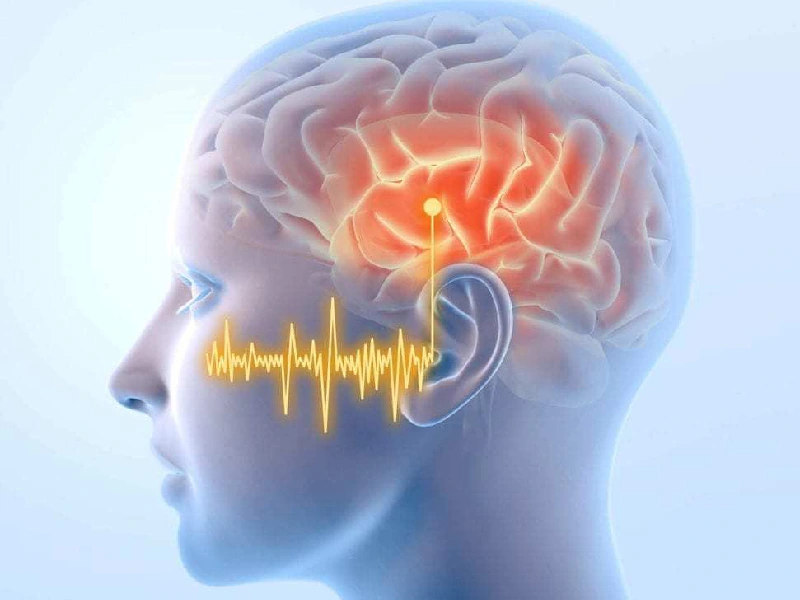
Ever notice a ringing in your ears when you least expect it? One minute you are relaxing, maybe reading a book, and the next, there it is a high-pitched whine, buzzing, or humming you can’t ignore. That is tinnitus. And it is way more common than people think. Millions of people deal with it daily. One method that is gaining popularity is sound therapy treatment for tinnitus.
Sound therapy is not a magic cure. It won’t make the ringing disappear overnight. But it can help a lot. It works by training your brain to stop focusing on the noise. Over time, you notice the ringing less and less.
What is Tinnitus
Tinnitus is not a disease. It is a symptom. People hear it as ringing, buzzing, roaring, or clicking. Some hear it all the time. Others only hear it in quiet moments. The loudness can vary. Some barely notice it. Others find it distracting and stressful.
Why does it happen? Usually, it comes from hearing damage, loud noise exposure, age-related hearing loss, ear infections, or stress. Basically, your ears send signals that your brain misinterprets as sound. This is where sound therapy helps.
How Sound Therapy Treatment for Tinnitus Works
Sound therapy uses outside sounds to change how your brain perceives tinnitus. The goal is not to drown out the ringing. It is to help your brain focus less on it.
Think of your brain like a radio stuck on static. Sound therapy introduces a new channel. Slowly, your brain listens to the new sound instead of the static. Over time, the ringing fades into the background.
Ways to use sound therapy:
-
Masking sounds: Play white noise, rain, ocean waves, or soft static. The volume should cover the ringing without being too loud.
-
Notched music therapy: Music is played with the frequencies of your tinnitus removed. Your brain learns to ignore the sound that bothers you.
-
Neuromodulation sound.ds Special tones retrain your brain’s hearing pathways. Usually guided by a professional.
Results differ for everyone. Some notice relief fast. Others take weeks or months. The key is to keep trying.
Personal Experience with Sound Therapy
A friend of mine had tinnitus for years. He avoided quiet places. His apartment felt unbearable at night. He tried sound therapy.
He started with white noise at night. Then he tried notched music therapy for a few weeks. Slowly, the ringing became background noise. It did not disappear, but it was quieter and less stressful. For him, that was life-changing.
Sound therapy works best when combined with stress management, ear protection, and sometimes therapy.
Types of Sound Therapy Devices
You do not need fancy gadgets to try sound therapy. Options include:
-
Wearable sound generators: Small devices for your ears that play soothing sounds.
-
Smartphone apps play ocean waves, rain, forest sounds, or custom tones. Consistency matters.
-
Hearing aids with sound therapy. Some hearing aids have tinnitus-masking sounds. Good if you need a hearing aid anyway.
-
External speakers: A simple white noise machine can help at night.
Try different methods to see what works best.
How Sound Therapy Helps the Brain
Sound therapy uses neuroplasticity. That is your brain’s ability to adapt. Constant tinnitus can make your brain focus on the ringing. Sound therapy floods your brain with pleasant sounds. Gradually, your brain learns to ignore the tinnitus.
Studies show many people notice the ringing gets quieter after weeks or months of consistent sound therapy. Change is slow. You do not wake up one day tinnitus-free. But you notice it is less bothersome. And that is the goal.
How to Start Sound Therapy for Tinnitus
Here is a simple plan:
-
Identify your tinnitus type: High-pitched, low, constant, or intermittent. This affects which sounds work best.
-
Choose your sound source: White noise, nature sounds, notched music, apps, or devices.
-
Consistent with it for several hours a day, especially in quiet moments.
-
Add lifestyle changes: Reduce stress, limit caffeine, and protect your ears.
-
Track progress. Keep a journal of changes and improvements.
Everyone is different. Be patient and try what works best for you.
Nighttime Tips
Tinnitus often feels worse at night. Quiet makes the ringing louder. Try a sound machine or gentle rain sounds near your bed. Over time, falling asleep becomes easier and more peaceful. Even if tinnitus is still there, it feels less controlling.
FAQs About Sound Therapy Treatment for Tinnitus
Q: Can sound therapy cure tinnitus completely
A: Rarely. But it can make tinnitus manageable and reduce ringing.
Q: How long before results appear
A: Weeks to months. Some notice small changes in days. Consistency matters.
Q: Can I use any sound
A: Yes, but sounds tailored to your tinnitus work best.
Q: Is it safe
A: Yes, if you avoid very loud volumes and protect your ears.
Q: Do I need a professional
A: Not always. But an audiologist can make therapy more effective.
Conclusion
Sound therapy treatment for tinnitus is not a magic cure. But it helps your brain rest. It allows quiet moments to return and reduces stress, giving hope. Some days may feel better than others. Small improvements matter. Even if tinnitus never disappears completely, your peace of mind can grow.
If you have tinnitus, try sound therapy. Start small, be patient, and explore different sounds. Your ears and your brain might thank you.
About the Author