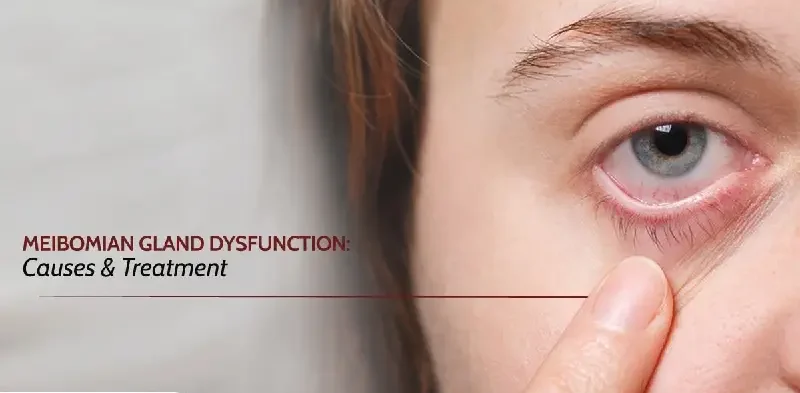
Ever felt like your eyes are dry, itchy, or constantly watery? Maybe you wake up with crusty eyelids or that annoying burning sensation that comes from nowhere. A lot of people blame allergies, long screen hours, or weather changes. But honestly, so many of these symptoms point to Meibomian Gland Dysfunction, also known as MGD. And the surprising part? It’s way more common than you think.
I still remember my first encounter with this problem. Late-night series, zero blinking, and suddenly, my eyelids felt heavy and weird. One quick Google search opened a whole world of medical jargon. That’s when I learned how tiny glands inside our eyelids control comfort, moisture, and basically whether your eyes feel normal or like sandpaper.
What Is Meibomian Gland Dysfunction?
Understanding Meibomian Glands (MGD Basics)
Your eyelids aren’t just little curtains for blinking. They hide meibomian glands, tiny oil-secreting glands that produce meibum. This oil sits on top of your tear film and prevents tears from evaporating too fast.
Think of it like a thin layer of oil on a pond that keeps the water from drying. Without that layer, your tears vanish quickly.
But when these glands get clogged, inflamed, or stop producing quality oil, you get Meibomian Gland Dysfunction. And that’s when the irritation starts: dryness, grittiness, blurred vision, redness, burning. It’s subtle. It creeps in slowly. And honestly, most people ignore it.
Signs & Symptoms of Meibomian Gland Dysfunction
Common MGD Symptoms You Might Overlook
Many symptoms mimic other eye issues, so people dismiss them:
-
Dry or gritty eyes, especially in the morning
-
Burning or stinging sensations
-
Crusty eyelid margins
-
Watery eyes (yes, ironically)
-
Blurry vision that comes and goes
-
Feeling like there’s a tiny grain of sand in your eye
Ever felt your eyes are fine one day and suddenly unbearable the next? That’s classic unstable meibum flow—a sign of MGD.
One more thing: people with MGD rub their eyes a lot. And rubbing only makes the inflammation worse.
What Causes Meibomian Gland Dysfunction?
Root Causes of MGD
MGD doesn’t pick favorites. Anyone can develop it. Common triggers include:
1. Chronic Blepharitis
Inflamed eyelids block the glands over time.
2. Hormonal Changes
Especially during aging, menopause, or health changes.
3. Medications
Isotretinoin (acne treatment) is known for drying meibomian glands.
4. Environmental Factors
Dry air, air conditioning, heating, and windy climates.
5. Lifestyle Habits
Long screen time reduces blinking, which clogs glands.
6. Genetics
Some people are simply more prone to dry eye and MGD.
Anything that disrupts the tear film or eyelid surface can mess with gland performance.
How Meibomian Gland Dysfunction Is Diagnosed
Eye doctors diagnose MGD using a few simple methods:
1. Slit-Lamp Examination
They check eyelid margins, gland openings, and tear quality.
2. Meibomian Gland Expression
A gentle squeeze shows whether oil is flowing or blocked.
3. Meibography (Gland Imaging)
This shows gland structure, gland loss, and damage.
4. Tear Film Analysis
They check how quickly your tears evaporate (often too fast in MGD).
Diagnosis is usually quick, painless, and extremely helpful for getting proper treatment.
Best Treatments for Meibomian Gland Dysfunction
Now the real question—how do you fix it? MGD doesn’t vanish overnight, but treatment can dramatically improve comfort.
1. Warm Compresses (Top Recommended)
Warmth melts clogged oils, improving flow.
-
5–10 minutes daily
-
Clean, warm cloth or heated mask
-
Helps unblock thick oils
Consistency is everything.
2. Eyelid Hygiene
Gently clean your eyelids using:
-
Lid scrubs
-
Diluted baby shampoo
-
Medicated wipes
Prevents buildup and bacteria.
3. Meibomian Gland Expression
Performed by doctors. They press the glands to remove stubborn blockages. Slightly uncomfortable but super effective.
4. Medications for MGD
Depending on severity:
-
Doxycycline (oral)
-
Azithromycin ointment
-
Anti-inflammatory drops
These reduce inflammation and strengthen oil quality.
5. Omega-3 Supplements
Fish oil is known to help stabilize the lipid layer of tears.
Foods that help:
-
Salmon
-
Walnuts
-
Flaxseed
6. In-Clinic MGD Treatments
If symptoms are severe:
-
LipiFlow thermal pulsation
-
iLux
-
IPL (Intense Pulsed Light)
These professionally unclog glands and restore function.
How to Prevent Meibomian Gland Dysfunction
MGD prevention mainly revolves around eyelid care and lifestyle changes.
Daily Prevention Tips
-
Follow the 20-20-20 screen rule
-
Keep indoor humidity balanced
-
Avoid rubbing your eyes
-
Clean your eyelids regularly
-
Blink fully (yes, many people half-blink while using screens)
-
Eaomega-3-richch foods
-
Drink enough water
Small habits. Big difference.
Why We Ignore Eye Health (A Human Tangent)
It’s funny how we’ll buy skincare serums, protein shakes, gym memberships—but ignore our eyes until something feels “off.” Eyes are delicate, always working, and incredibly easy to strain.
Ever watched someone squint in sunlight or blink nonstop at a screen? Those are early warnings of dry eye disease and MGD. But we brush it off because we get used to discomfort.
Your eyes are part of your daily comfort, productivity, mood, and even confidence. They deserve better care.
FAQs About Meibomian Gland Dysfunction (SEO Optimized)
Is Meibomian Gland Dysfunction permanent?
Not always. With consistent care, symptoms improve significantly.
Can children develop MGD?
Rare but possible, especially with chronic eyelid inflammation.
Does MGD cause permanent vision loss?
No, but it causes fluctuating blurry vision and discomfort.
How long does MGD treatment take?
Anywhere from a few weeks to a few months, depending on severity.
Can contact lenses worsen MGD?
Yes. Contacts limit oxygen flow and can irritate the glands. Some people need lens-free periods or specialty lenses.
Conclusion: Why You Should Take Meibomian Gland Dysfunction Seriously
Meibomian Gland Dysfunction isn’t just dryness—it’s a chronic condition that affects your daily comfort.
It can make reading, working, driving, or even relaxing uncomfortable.
The good news?
With early care, simple routines, and proper treatment, most people see huge improvements.
So next time your eyes feel dry, irritated, or watery, don’t ignore it.
Check your eyelids.
Think about your glands.
Give them some care.
Because once you start taking MGD seriously, everything feels clearer. Literally.
About the Author