What if a few guided eye movements could help your brain let go of years of emotional pain? What if memories that haunt you could lose their power? That’s what Eye Movement Desensitization and Reprocessing (EMDR) can do.
This guide will explain everything: how EMDR started, how it works, what a session feels like, real results, who it helps, and what the future may hold. By the end, you’ll know if EMDR could help you heal.
What Is EMDR?
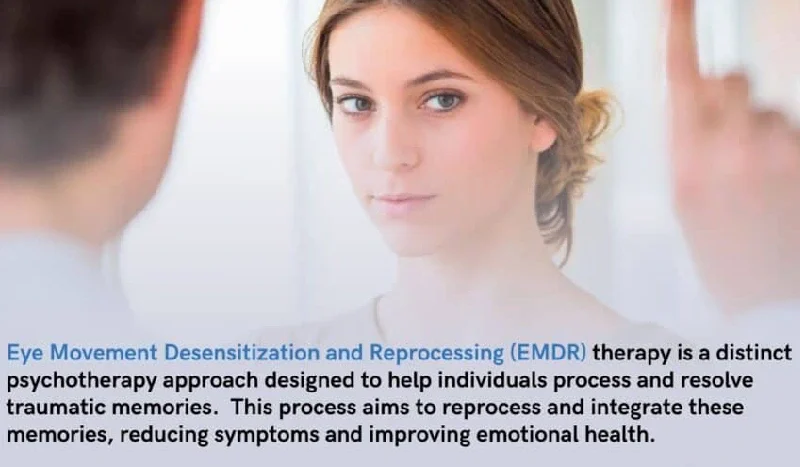
EMDR is a therapy that helps people process painful memories. Instead of only talking about trauma, it combines memory recall with bilateral stimulation. This usually means moving your eyes back and forth, but taps or sounds can also be used.
Here’s the key idea: the brain naturally processes emotional experiences, like it heals a cut. Trauma blocks this process. EMDR removes that block. Painful memories become less intense or even neutral.
Why it matters: EMDR often works faster than talk therapy. It can take fewer sessions, less talking, and no homework.
The Story of EMDR
A Walk That Changed Therapy
In 1987, psychologist Francine Shapiro noticed something surprising. While walking in a park, her negative thoughts faded as her eyes moved side to side.
She wondered: could eye movements reduce emotional pain? She tested it with volunteers. They recalled upsetting memories while following a moving object with their eyes. Compared to just thinking about the memory, people felt much better.
By 1995, Shapiro had created a full EMDR protocol. Once considered strange, EMDR is now a widely respected therapy worldwide.
How EMDR Works
The Brain’s Natural Healing
EMDR is based on the Adaptive Information Processing (AIP) model. Trauma happens when memories get “stuck.” EMDR reactivates them safely. The brain then processes them properly.
When EMDR works, it can:
-
Reduce the emotional intensity of memories
-
Shift negative self-beliefs to positive ones
-
Calm physical responses like panic or a racing heart
What Happens in Your Brain
The exact science is still debated. But theories include:
-
Working-memory overload: Thinking of trauma while doing eye movements reduces emotional impact.
-
Brain hemisphere connection: Bilateral stimulation helps the brain store memories safely.
-
REM sleep mimic: Eye movements may mimic REM sleep, a natural time for emotional processing.
-
Relaxation response: EMDR triggers the body’s calm response, reducing stress.
Bottom line: EMDR helps the brain heal naturally.
EMDR Today
What Research Shows
EMDR is proven for trauma:
-
Cuts PTSD symptoms dramatically
-
Reduces anxiety, depression, and distress
-
Helps with phobias, panic attacks, and other anxiety issues
Real results: Patients report fewer flashbacks, calmer sleep, less anxiety, and better daily life. Often after just a few sessions.
Key point: EMDR works. Not magic, but very effective.
How EMDR Therapy Works
The 8 Phases
| Phase | What Happens |
|---|---|
| 1. History & Planning | Review your trauma and set goals |
| 2. Preparation | Learn coping skills |
| 3. Assessment | Pick the target memory and emotions |
| 4. Desensitization | Recall memory while following eye movements, taps, or sounds |
| 5. Installation | Strengthen positive beliefs |
| 6. Body Scan | Notice and release tension |
| 7. Closure | End session safely |
| 8. Reevaluation | Check progress and plan next steps |
What a Session Feels Like
You recall a memory while moving your eyes. It may feel sad, anxious, or numb. Slowly, the memory loses power.
Then you anchor a positive belief, like “I survived and learned.” A body scan releases leftover tension. Many people leave feeling lighter, calmer, and more in control.
Strengths and Limitations
Why EMDR Works
-
Fast relief: Some heal in 3–6 sessions
-
Versatile: Helps PTSD, depression, anxiety, phobias, panic
-
Holistic: Changes beliefs, reduces stress, integrates memories
-
Natural: Works with your brain’s own processes
Limitations
-
The exact mechanism is not fully known
-
Less evidence for non-PTSD issues
-
Can be emotionally intense
-
Not a guaranteed cure
Bottom line: EMDR is powerful but works best with guidance and support.
Real Stories
Trauma Recovery
People recovering from accidents or assaults often improve dramatically in just a few sessions.
Beyond Trauma
EMDR also helps with chronic anxiety, depression, phobias, and negative self-beliefs. Even memories not tied to a single event can lose emotional weight.
Key point: EMDR is effective for both single events and ongoing stress.
Is EMDR Right for You?
Who Benefits
-
Trauma survivors
-
People with anxiety or intrusive memories
-
Those who didn’t fully benefit from therapy
-
People are ready to face emotions safely
Choosing a Therapist
-
Certified in EMDR
-
Experienced with your type of trauma
-
Provides support before and after sessions
-
Keeps therapy safe
Expectations
-
Some memories need more sessions
-
Emotional intensity may rise temporarily
-
Healing builds gradually
Bottom line: EMDR works best when you’re ready and guided by a skilled therapist.
The Future of EMDR
-
Brain science: Imaging may explain how EMDR works
-
Wider use: Chronic stress, depression, grief, and anxiety could benefit
-
Technology: VR, AI, and online EMDR could make therapy more accessible
Bottom line: EMDR will likely become faster, safer, and more available while keeping human guidance central.
Pros & Cons
| Pros | Cons |
|---|---|
| Fast results | Not for everyone |
| Evidence-based | Mechanism debated |
| Restructures beliefs | Needs a skilled therapist |
| Less talking/homework | Can stir emotions |
| Treats trauma, anxiety, and depression | Not guaranteed long-term cure |
FAQ
Q1: Does EMDR erase memories?
A: No, it lowers emotional intensity; memory stays.
Q2: Are eye movements needed?
A: Yes, they are key to the protocol.
Q3: How many sessions?
A: 3–6 for single trauma; more for complex trauma.
Q4: Can EMDR help with depression or anxiety?
A: Yes, many people benefit.
Q5: Are there risks?
A: Temporary distress may occur; guidance is essential.
Q6: What if it doesn’t work?
A: Combine with other therapy or support.
Q7: Who should avoid EMDR?
A: People with severe dissociation, crises, or no certified therapist.
Q8: Can it be done alone?
A: No, it must be guided by a professional.
Key Takeaways
-
EMDR helps trauma heal faster than talk therapy
-
Effective for PTSD, anxiety, depression, and related issues
-
Works by reprocessing memories and changing beliefs
-
Healing is gradual; guided therapy is key
-
Future tech may expand access safely
Conclusion
EMDR lets the mind heal like the body. Wounds close, memories integrate, and peace returns. Trauma can change from a permanent scar into a healed memory.
It’s not magic. It’s a guided journey. For those struggling with intrusive memories or anxiety, EMDR may be the breakthrough they need. A few sessions could start rewriting your story and restore calm.
About the Author