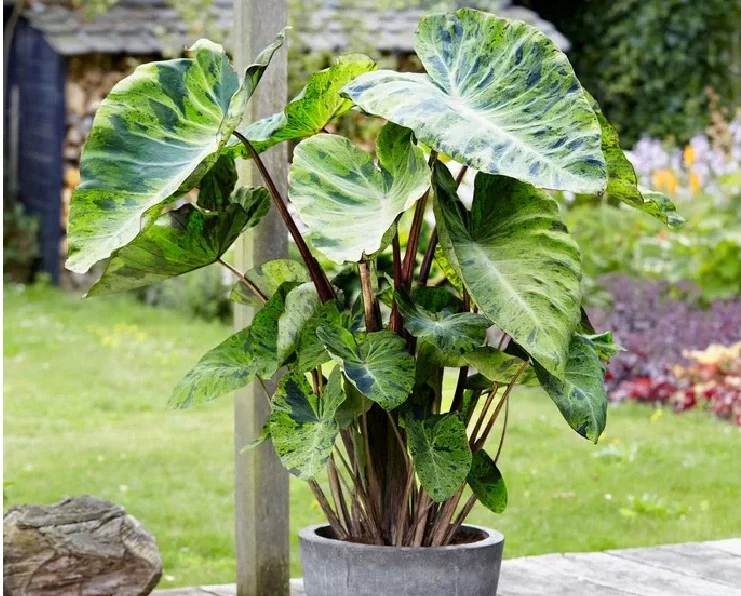
The elephant ear plant is one of the most striking plants you can add to your home or garden. Its heart-shaped leaves create a dramatic look that instantly transforms any space. Whether you want a lush tropical corner indoors or a bold statement in your outdoor garden, this plant never fails to impress.
This detailed guide explains everything you need to kn, ow from types and planting to watering, care, and common problems. By the time you finish, you will feel confident to grow your own beautiful elephant ear plant.
What Is an Elephant Ear Plant
The elephant ear plant is a common name used for several tropical plants that produce very large leaves. These plants grow naturally in warm regions with high humidity and plenty of rainfall. Their leaves can grow as long as two to three feet or even larger, depending on the type.
The most common groups of elephant ear plants include
-
Alocasia
-
Colocasia
-
Xanthosoma
Each type has its own unique leaf shapes, growth habits, and color variations. Some have upright leaves, others have drooping leaves, a nd some even come in shades of deep green, purple, or patterned textures.
Even though these plants look expensive or delicate, they are actually tough and adaptable when placed in the right environment.
Benefits of Growing Elephant Ear Plants
Elephant ear plants offer much more than a tropical look. Here are a few reasons why many gardeners love them.
They create an immediate visual impact.
Few plants have leaves as large and bold as elephant ears. They fill empty corners and add a lush tropical feel instantly.
They grow fast
If you want a plant that shows quick results, this is a great choice. With the right car, they can develop new leaves every few weeks.
They work indoors and outdoors
You can grow them inside your home in pots or outdoors in the ground. They fit well near water features, patios, walkways, or shaded garden areas.
They improve air quality.
Like many leafy plants, elephant ears help purify the air by removing toxins and adding moisture.
They are perfect for large decorative pots.
Their tall stems and wide leaves look stunning in modern farmhouse or minimalist pots.
Types of Elephant Ear Plants
Here are the most popular types you will find in nurseries
Alocasia
Alocasia plants usually have upright leaves that point upward. Their leaves often have sharp arrow edges. Some well-known types include
Alocasia Polly
A smaller size is perfect for indoor growing.
Alocasia Amazonica
Rich green leaves with white veins that stand out.
Alocasia Elephant Ear Upright Giant
A large tropical variety that grows tall with bold upright leaves.
Colocasia
Colocasia plants have leaves that often point downward. Many people call them taro plants. They usually prefer more moisture.
Colocasia Black Magic
Deep, dark purple leaves create a dramatic effect.
Colocasia Mojito
Green leaves with dark speckled patches.
Colocasia Esculenta
The classic green elephant ear is commonly seen in gardens.
Xanthosoma
These plants have bright green leaves and tend to grow larger than many Alocasia varieties. They are strong and adapt well to outdoor gardens.
How to Grow Elephant Ear Plants
Growing an elephant ear plant is easier than many people think. With the right sunlight, watering, and soil, you can enjoy ststrongealthy growth throughout the year.
Sunlight Requirements
Elephant ear plants love bright light but not harsh direct sun. Too much direct sunlight can burn their leaves.
Outdoors
Place them in partial shade or an area with morning sun and afternoon shade.
Indoors
Keep the plant near a window with bright indirect light. North or east-facing windows work very well.
If your plant does not get enough light, its leaves may turn pale or smaller than usual.
Soil Requirements
These plants prefer rich, loose soil that drains well but still holds moisture. A mix of garden soil, compost, and peat or coco fiber works great.
Ideal soil traits
-
Moist but not soggy
-
Rich in organic matter
-
Slightly acidic to neutral
Avoid heavy clay soil because it traps water around the roots.
Watering Needs
Elephant ear plants love moisture. Their natural habitat receives consistent rainfall.
Outdoors
Water deeply at least two to three times a week, especially during warm months.
Indoors
Keep the soil evenly moist. Never let the pot dry out completely.
Signs your plant needs weeker
-
Drooping leaves
-
Leaf edges are turning brown
-
Dry or cracked soil
Warning about overwatering
-
Yellow leaves
-
Mushy stems
-
Bad smell from the soil
Always use pots with drainage holes if growing indoors.
Temperature and Humidity
These plants thrive in warm and humid environments.
Ideal temperature
Between twenty and thirty degrees Celsius.
They do not tolerate cold weather. If temperatures drop below ten degrees Celsius, the plant can suffer damage.
Humidity
Elephant ear plants love high humidity. If you grow them indoors, try
-
Using a humidifier
-
Mist the leaves regularly
-
Place a tray of water near the plant
Fertilizing Your Plant
A fast-growing plant needs regular feeding. Use a balanced liquid fertilizer every two to three weeks during spring and summer.
Reduce feeding in winter because the plant grows slowly during colder months.
How to Plant Elephant Ear Bulbs
If you are starting with bulbs, follow these steps
-
Choose a warm location with partial shade
-
Dig a hole about three to four inches deep
-
Place the bulb with the pointed side facing up
-
Cover with soil and water well
-
Keep the soil moist until new leaves appear
Bulbs usually sprout within three to six weeks, depending on temperature.
Common Problems and How to Fix Them
Even though elephant ear plants are easy to grow, ow you may face a few issues. Here is how to handle them.
Yellow Leaves
This is usually caused by
-
Overwatering
-
Poor drainage
-
Lack of sunlight
Fix the issue by adjusting watering and ensuring the pot drains properly.
Brown Leaf Edges
This often happens due to low humidity or underwatering. Mist your plant more often and water regularly.
Leaves Turning Pale
This can mean your plant needs more nutrients or better lighting. Add fertilizer and move it to a brighter spot with indirect light.
Pests
Common pests include aaaphidspider mites, and mealybugs. Wipe leaves with a damp cloth and spray with neem oil.
How to Use Elephant Ear Plants in Garden Design
Elephant ear plants are one of the best statement plants for landscaping. They create a bold visual presence when used correctly.
As a focal point
Place one large elephant ear plant near a pathway or porch to draw attention.
Around water features
Their tropical leaves look perfect near ponds, fountains, or small backyard streams.
In shaded gardens
They fill shady areas where flowering plants struggle.
In large pots
Use colorful or textured pots to highlight the rich green leaves.
Combined with other plants
Pair them with ferns, caladium, cannliliess, or hostas for a layered look.
Growing Elephant Ear Plants Indoors
Elephant ear plants make excellent indoor houseplants if you provide the right conditions.
Choose the right pot
Pick a large pot because these plants grow fast and need space.
Use rich soil
A well-draining potting mix with compost gives the best results.
Provide light
Keep it near a bright window, but avoid harsh direct sun.
Maintain humidity
Use a humidifier or mist the leaves to keep them healthy.
Rotate the plant
Turn it slightly every week so all sides receive equal light.
Watch for pests
Indoor plants sometimes attract pests; check the leaves regularly.
Propagation Methods
You can easily multiply your elephant ear plant.
By dividing the root clump
This is the most common method. Remove the plant from the soil and gently separate the smaller clumps. Replant each one in fresh soil.
By growing from bulbs
Many elephant ear plants produce small bulbs around the base. Simply collect them and plant them in warm, moist soil.
Both methods are simple and effective.
Are Elephant Ear Plants Toxic
Yes, these plants contain a natural substance that can irritate the mouth, tthroatand skin if eaten or handled roughly.
Keep them away from pets and small children. Always wash your hands after trimming or repotting.
Frequently Asked Questions
How fast do elephant ear plants grow
They grow quite fast, especially in warm and humid conditions. You may see new leaves every few weeks.
Can I grow elephant ear plants indoors?
Yes, you can. They do well in bright indirect light with high humidity and regular watering.
Do elephant ear plants need full sun
They prefer partial shade. Too much direct sunlight can burn the leaves.
Can elephant ear plants survive winter? er
Only if you live in a warm climate. In colder regions, bring the plant indoors or dig up the bulbs and store them until spring.
How big can an elephant ear plant get
Some types can grow up to six feet tall with leaves that reach two to three feet in length.
Why are my elephant ear leaves drooping?g
The most common reasons include underwater, low humidity, or root damage. Check the soil and adjust watering.
When is the best time to plant elephant ear bulbs?
Plant bulbs in spring when the weather becomes warm and the soil temperature rises.
Final Thoughts
The elephant ear plant is one of the best choices for anyone who wants a bold tropical feel indoors or outdoors. Its hug,e graceful leaves add beau, ty movem, and a natural sense of calm to any space. With the right sunlight, water, and soil, you can enjoy strong, healthy growth almost all year long.
Whether you want a single striking plant or a whole collection of tropical greenery t,, he elephant ear plant is a rewarding and impressive choice for both new and experienced gardeners.
About the Author