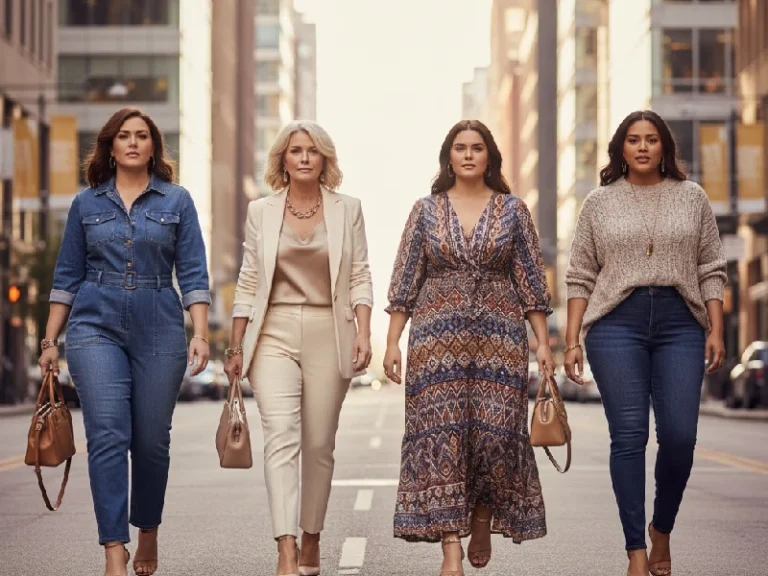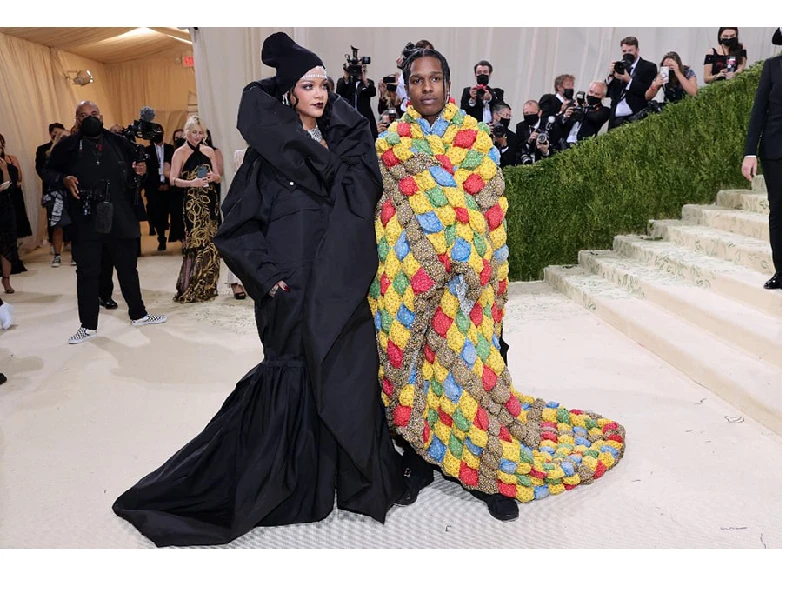
Avant-garde fashion isn’t just about clothing, it’s about ideas that provoke, challenge, and inspire. It pushes against mainstream trends and invites you to see fashion as an art form rather than a commodity. From rebellious silhouettes to experimental materials, avant-garde fashion has always dared to ask: What if style had no rules?
The Origins of Avant-Garde Fashion
Early 20th Century Artistic Influence
Avant-garde fashion first appeared as a creative rebellion in the early 1900s. Influenced by art movements like Dadaism, Futurism, and Surrealism, designers began to question traditional aesthetics. For example, Elsa Schiaparelli collaborated with surrealist artist Salvador Dalí, creating imaginative pieces like the Lobster Dress and the Shoe Hat. These designs blurred the line between art and attire, making Schiaparelli one of the first true avant-garde fashion pioneers.
“In difficult times, fashion is always outrageous.” — Elsa Schiaparelli
By the mid-20th century, avant-garde fashion began symbolizing intellectual rebellion against mass-produced style.
Post-War Innovation and the Birth of Radical Design
The 1960s introduced a new wave of experimentation. Designers such as Pierre Cardin and André Courrèges imagined futuristic silhouettes inspired by space exploration and modern architecture. Cardin’s “bubble dresses” and Courrèges’s geometric cuts marked a turning point — garments no longer just clothed the body, they transformed it into a statement.
This era defined avant-garde fashion as a visual conversation between technology, freedom, and imagination.
The Rise of Conceptual Fashion
By the late 1970s, avant-garde fashion had become a philosophy. Designers like Yohji Yamamoto and Rei Kawakubo (founder of Comme des Garçons) introduced concepts like deconstruction — clothing that looked unfinished, asymmetrical, or distorted on purpose. Their designs weren’t meant to please but to provoke thought.
Characteristics of Avant-Garde Fashion
Avant-garde fashion doesn’t follow rules. It creates new ones. Below are the defining traits that set it apart from conventional fashion.
| Characteristic | Description | Example |
|---|---|---|
| Unconventional Silhouettes | Dramatic, asymmetrical, and sculptural shapes that distort the human form. | Comme des Garçons’ “lumps and bumps” collection |
| Material Experimentation | Non-traditional materials like plastic, rubber, metal, and 3D-printed fabrics. | Iris van Herpen’s 3D couture pieces |
| Conceptual Expression | Designs convey emotion, ideology, or cultural commentary. | Alexander McQueen’s theatrical runway shows |
| Minimalism or Maximalism | Both extremes coexist — from Yamamoto’s minimal black to McQueen’s dramatic excess. | Varies by designer |
Avant-garde pieces often ignore gender norms and focus on individuality and emotion rather than wearability.
Iconic Avant-Garde Fashion Designers
Rei Kawakubo — Comme des Garçons
Rei Kawakubo revolutionized the fashion world by embracing imperfection and asymmetry. Her collections often defy traditional beauty and structure, presenting garments that look sculpted rather than sewn. She once said, “I work in three dimensions, not two.”
Yohji Yamamoto
Known for his all-black aesthetic, Yohji Yamamoto’s designs balance power and vulnerability. His garments flow, drape, and redefine silhouettes. His philosophy? “Fashion is an exercise in freedom.”
Issey Miyake
Issey Miyake combined art, technology, and practicality. His pleated collections used innovative fabric techniques that allowed comfort without sacrificing design. His label became synonymous with movement and modernism.
Alexander McQueen
The late Alexander McQueen was perhaps the most theatrical avant-garde designer. His runway shows often felt like dark fairytales, exploring death, identity, and nature. McQueen proved fashion could be poetry in motion.
| Designer | Signature Style | Notable Work |
|---|---|---|
| Rei Kawakubo | Deconstruction, asymmetry | “Body Meets Dress” Collection (1997) |
| Yohji Yamamoto | Minimalist, androgynous | Paris Fashion Week Debut (1981) |
| Issey Miyake | Tech innovation, pleats | “Pleats Please” Line |
| Alexander McQueen | Theatrical, Gothic | “Plato’s Atlantis” Show (2010) |
Avant-Garde Fashion in Modern Times
Streetwear Meets Avant-Garde
Today, avant-garde has seeped into mainstream streetwear. Brands like Rick Owens, Boris Bidjan Saberi, and Y-3 fuse street functionality with abstract design. The result is “wearable avant-garde” — edgy yet practical.
Digital Avant-Garde: Virtual and AI-Generated Fashion
The digital era has expanded avant-garde expression. Designers now use AI, VR, and 3D design to create virtual garments. Platforms like The Fabricant and DressX sell digital couture that exists only online. These innovations redefine what it means to wear fashion.
Sustainability and Ethical Experimentation
Modern avant-garde fashion often embraces sustainability. Designers like Iris van Herpen and Marine Serre reuse materials, experiment with biodegradable textiles, and promote zero-waste design — proving that innovation and environmental responsibility can coexist.
How to Incorporate Avant-Garde Fashion into Your Wardrobe
You don’t need to walk a Paris runway to channel avant-garde energy. Start small, then build your confidence.
Start Small — Statement Pieces and Accessories
-
Try sculptural jackets, exaggerated sleeves, or asymmetrical skirts.
-
Use bold accessories like geometric jewelry or avant-garde footwear.
Mix Textures and Layers
-
Combine contrasting materials: silk with leather, mesh with denim.
-
Experiment with oversized proportions and layering unexpected shapes.
Confidence is Key
Avant-garde fashion isn’t about fitting in — it’s about expressing who you are. The moment you wear something daring with confidence, you’re embodying its true essence.
The Cultural Impact of Avant-Garde Fashion
Avant-garde fashion has always been a mirror to society. It reflects our fears, hopes, and evolution.
-
Gender Fluidity: Designers blur gender lines with androgynous silhouettes.
-
Art & Music Influence: Artists like Lady Gaga and Björk have embraced avant-garde aesthetics to express identity.
-
Cinema & Pop Culture: Films like The Fifth Element and Black Panther showcase futuristic avant-garde costumes.
“Fashion should be a form of escapism, and not a form of imprisonment.” — Alexander McQueen
Through cultural influence, avant-garde fashion continues to shape conversations about individuality, freedom, and creativity.
The Future of Avant-Garde Fashion
The future lies in technology, sustainability, and identity expression. Expect to see:
-
AI-generated designs that merge human creativity with digital precision.
-
Sustainable innovation, such as lab-grown leather and plant-based dyes.
-
Virtual wardrobes for avatars and digital influencers.
The next frontier of avant-garde fashion isn’t just about what we wear — it’s about how we experience fashion itself.
Conclusion: The Endless Evolution of Avant-Garde Style
Avant-garde fashion stands as a testament to human imagination. It doesn’t ask for approval; it commands attention. Whether you’re admiring a Rei Kawakubo masterpiece or styling your own experimental outfit, remember — avant-garde is about freedom, creativity, and courage.
So, go ahead. Wear your imagination.
FAQs About Avant-Garde Fashion
Q1. What defines avant-garde fashion?
Avant-garde fashion challenges tradition through unconventional designs, materials, and artistic concepts.
Q2. How can I wear avant-garde fashion daily?
Start with statement accessories or minimalist avant-garde brands like Y-3 and Rick Owens.
Q3. Who are the most famous avant-garde designers?
Rei Kawakubo, Yohji Yamamoto, Alexander McQueen, and Issey Miyake.
Q4. Why is avant-garde fashion important?
Because it inspires creativity and questions social and aesthetic norms.
About the Author